 0:36
Grease traps
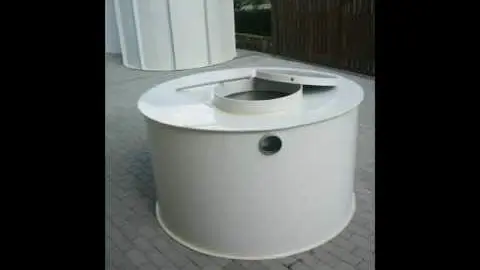
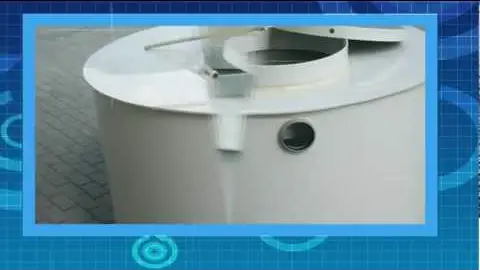
A grease trap captures fats and oils from kitchen wastewater before they can solidify in the sewer or overload a treatment plant. It is mandatory equipment for most restaurants, canteens, butcher’s shops and food production plants. We supply compact plastic grease traps designed to the standard STN EN 1825 and advise on their placement and maintenance.
On this page
Where a grease trap is needed
- restaurants, bistros, hotel and guesthouse kitchens
- school and staff canteens
- butcher’s shops, smokehouses and food production kitchens
- buildings with their own wastewater treatment plant, where fats would disrupt the treatment process
The requirement for a grease trap is usually set by the public sewer operator in its connection conditions and sewer regulations. If you have your own treatment plant, a grease trap in front of it is essential.
How a grease trap works
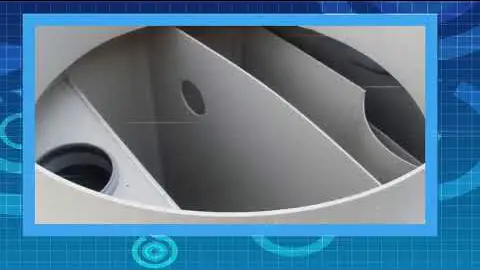
Fats are lighter than water. In the trap the water calms down, the fats float to the surface and are held back, and heavier solids sink into the sludge compartment at the bottom. The water that flows out has had most of the fat removed. The captured fat and sludge are pumped out regularly.
Standards and sizes
Grease traps are covered by the standards STN EN 1825-1 (design, testing, marking) and STN EN 1825-2 (choice of size, placement, operation and maintenance). Please note that the standard EN 858 applies to oil separators, not to grease traps.
The size of a grease trap is given as its nominal size (NS). Under STN EN 1825-2, it is calculated from the maximum wastewater flow and from correction factors for water temperature, fat density and the use of cleaning agents. We supply grease traps in a standard range from NS 0.5 to NS 10, and larger ones made to measure.
Types
- Above-ground traps for the kitchen or a plant room, smaller ones also for under the sink
- Underground traps placed outdoors, with a lid for access and pumping out
- With a sludge compartment to capture solids that settle out
Maintenance
A grease trap must be emptied and cleaned regularly. In a typical catering business this is usually once every 2 to 4 weeks, depending on the size of the trap, the amount of fat and the requirements of the sewer operator. A licensed company takes the contents away as waste, and you receive a document confirming the removal. A neglected grease trap lets fat through into the sewer and smells.
Grease traps on video
The video loads from YouTube after you click.
Frequently asked questions
Can a grease trap go under the kitchen sink?
Yes, small above-ground grease traps are also designed to go under a sink. For larger businesses, a trap in a plant room or an underground trap outdoors is preferred, for reasons of capacity and cleaning.
Should water from the toilets go into the grease trap too?
No. Only water from the kitchen and production areas where fats are produced may flow into a grease trap. Sewage from toilets is routed past the trap.
How much does a grease trap cost?
It depends on the NS size and the type of placement. Send us the number of meals served per day or a list of your kitchen equipment, and we will propose a size and send you a price.
Why choose Bednár Montáže
- 4.9 out of 5 on Heureka.skThe ekotovar.sk online shop has 335 verified reviews.
- Parts from our own online shopAir blowers, diaphragms and additives, average delivery 2.6 days.
- Everything from one companySales, design, permit, guides, service, inspection and parts.
- Service after the warranty, tooWe look after your plant for years after start-up.
We will design a grease trap for your business
Send us your type of business and the number of meals per day. +421 905 229 394