 Problems and solutions
Why your treatment plant smells and how to fix it
A domestic wastewater treatment plant (WWTP) that works properly should not bother you or your neighbours with odours.
8 min readThe air blower is the heart of a wastewater treatment plant (WWTP). It supplies air to the bacteria and drives the airlift pumps. When it stops working, the bacteria start to run short of oxygen and an odour soon appears. You can find most causes yourself within a few minutes, without a technician.
Safety: Always unplug the blower before opening its cover. Do not touch electrical parts with wet hands.
Start with the simplest things:
If the RCD trips again after you switch it back on, do not switch the blower on again. The problem is probably in the unit itself or in its power supply.
This is the most common fault, and it usually points to worn diaphragms (blower membranes). You may notice that:
Check the air filter too. A clogged filter restricts the air supply and overloads the blower. Tapping it out or blowing it clean is enough. Replace a very dirty filter.
How to replace the blower diaphragms →
If the unit is blowing, the problem lies further along the air path:
Do not readjust the valves blindly. Their settings affect both sludge recirculation and the skimming of debris from the surface. If you are not sure, send us a photo of the distributor via WhatsApp.
A short outage will not harm the plant. During a longer shutdown it behaves like a settling tank, and the bacteria gradually run out of oxygen. Therefore:
You will find more about short shutdowns and power cuts on our page How a WWTP works.
| Situation | Usual solution |
|---|---|
| Lower output, blower otherwise in good condition | New diaphragms or a service kit |
| Ruptured diaphragm and tripped microswitch | New diaphragms and microswitch |
| Burnt-out motor, damaged housing | New blower |
| Old blower with frequent faults | Consider replacing it |
You will find diaphragms and service kits in our online shop ekotovar.sk (in Slovak), as well as new air blowers. When choosing, make sure the airflow rate is right for your plant.
Send us a photo of the blower’s rating plate and a short video with sound. In your message, tell us when the problem started and whether there are bubbles in the tank. We can often advise you without a call-out, via WhatsApp or by phone.
The blower runs non-stop, so it deserves a little attention. A few simple habits are enough:
Noise is an important signal. A properly working blower in a domestic treatment plant is quiet: for the smallest types, the manufacturer states up to 36 dB. When you start to hear it more than usual, it is time for a check.
The cause may not be the blower. It may be too much sludge or a problem with the drainage vent.
An aeration diffuser or the supply hose may be blocked.
Deal with the moisture and safety first, and only then switch it on.
A sign that the bacteria do not have enough oxygen. Deal with it straight away.
Briefly, yes, for example during a check. Once the sludge has become established, do not switch it off for longer than about 15 minutes unless the operating manual (prevádzkový poriadok) says otherwise.
What matters is the airflow rate for the size of your plant. Send us a photo of the old blower’s rating plate and we will recommend a specific type.
Most often because of moisture in the cabinet or a fault in the unit. If the RCD trips repeatedly, stop using the blower and have it checked.
Problems and solutionsA domestic wastewater treatment plant (WWTP) that works properly should not bother you or your neighbours with odours.
8 min read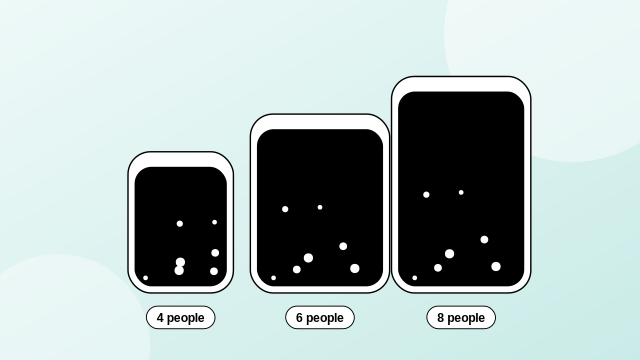 Choosing and buying
The size of a domestic wastewater treatment plant (WWTP) is given in population equivalents (PE, Slovak EO).
7 min read Choosing and buying
Two quotes for a domestic wastewater treatment plant (WWTP) can look the same on paper and still behave differently in operation.
7 min readSend us a photo of the rating plate and a video with sound, and we will advise you. +421 905 229 394
Strictly necessary cookies keep the website working. With your consent, we also use analytics and marketing cookies (Google, Meta, LinkedIn, Pinterest) to measure traffic and for advertising. You can change your consent at any time using the Cookie settings link in the footer. More about cookies