 Problems and solutions
Treatment plant air blower not working: what to do
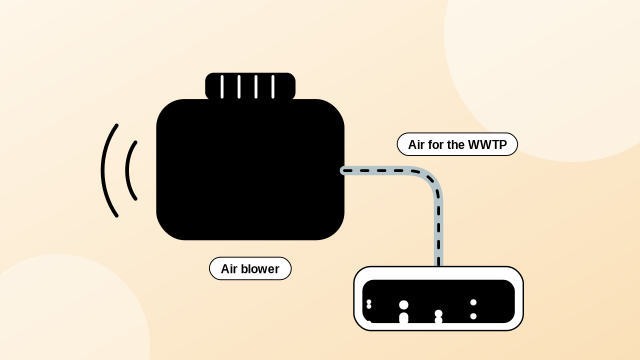
The air blower is the heart of a wastewater treatment plant (WWTP). It supplies air to the bacteria and drives the airlift pumps.
5 min readA domestic wastewater treatment plant (WWTP) that works properly should not bother you or your neighbours with odours. If you can smell something, the cause may not be in the tank at all. Below you will find the checks in the order in which it makes sense to do them, and when it is time to call a service technician.
The contents of the activation zone are brown and, with the cover open, may smell slightly of damp earth. The pre-treatment section or the sludge compartment may smell stronger once opened. Normally, however, you should not be able to smell anything on your plot or in the house.
A smell of rotten eggs is a warning sign. It is caused by hydrogen sulphide, which forms when there is not enough oxygen. It is often accompanied by black discolouration of the water in the tank.
You can do most of the checks without opening the tank. If you do open the cover, follow these rules.
Never enter the tank and never lean over the opening. It may contain hydrogen sulphide, methane and carbon dioxide and, at the same time, very little oxygen. A person can suddenly lose consciousness and fall in.
Your sense of smell will not warn you reliably. According to the US Occupational Safety and Health Administration (OSHA), hydrogen sulphide at a concentration of 100 ppm can deaden the sense of smell within 2 to 15 minutes. It is heavier than air and collects in low-lying and enclosed spaces.
Open the cover only briefly and look into the tank from a distance, standing upright. Do not smoke, do not use naked flames, and keep children and animals away. Always secure the cover after the check.
If someone falls into the tank, do not go in after them and call 112 immediately. A rescue attempt without breathing apparatus can cost you your life too.
Start where you notice the smell and work from the simple things to the more complex ones.
A smell in a single room points to the drains in the house rather than to the treatment plant. In a rarely used shower, washbasin or floor gully, the trap dries out and gases from the pipework get into the room. Simply pour some water into it. If you notice the smell near the toilet, check its seal at the floor.
The air blower pumps air into the tank, and that air has to go somewhere. It usually escapes through the inlet pipe and the drainage vent (soil vent pipe above the roof). If the vent is blocked, frozen or missing, the smell is pushed back into the house, and negative pressure can suck the water out of the traps. An air admittance valve only lets air in. If that is all you have instead of a vent, have the arrangement assessed. In still air or frosty weather, the smell from the vent outlet can sink to the ground even when everything is working properly.
The bacteria in the plant need oxygen. Without it, the contents of the tank start to rot and a smell of rotten eggs appears. Check that the blower is running, that the circuit breaker and the residual current device (RCD) are switched on and that you can see bubbling in the tank. If the plant has timer control, the blower stops from time to time, so wait for a full cycle. Also check for a fault alarm, look at the remote monitoring and check whether the air hose has come loose.
A clogged air filter also reduces the airflow. Worn diaphragms (blower membranes) and clogged aeration diffusers are a job for our air blower service. Diaphragms and replacement blowers are also available in our online shop ekotovar.sk (in Slovak).
When there is too much sludge, there is less room for treatment and the sludge starts to rot. Desludging is usually needed once every 6 to 12 months; the exact interval is set by the manufacturer and the operating manual (prevádzkový poriadok). Check the date of the last desludging in your operating log (prevádzkový denník). A sludge test gives a rough indication, but take the sample with a container on a long handle, without leaning over the opening. Leave desludging to a service company, because sludge may only be removed by an authorised contractor (oprávnená osoba) and the removal must be recorded.
Think about what has changed in the last few days. The plant is designed for a certain number of people, based on about 80 litres of water per person per day. Visitors, several loads of laundry in a row or a running toilet can overload it. Chlorine products, larger doses of disinfectant and medicines harm the bacteria. Cooking fat also disrupts the treatment process. You will find an overview in our article What not to put in a WWTP.
A smell at the outlet or the soakaway is a more serious sign. The water may be leaving the plant insufficiently treated, or the soakaway may be clogged. In this case, contact a service technician.
You can safely do the following:
On the other hand, these steps make the problem worse or are dangerous:
Call a service technician if any of the following applies:
When you contact us, tell us where you notice the smell and how long it has been going on, when the plant was last desludged and whether anything has changed in your household.
WWTP faults: symptoms and solutions →
They only help if the bacteria have been damaged by chemicals or a longer shutdown. They do not replace a blower repair or desludging. You will find bacterial additives in our online shop ekotovar.sk.
No. A fragrance only masks the smell, and chlorine kills the bacteria that treat the water. This can make the problem even worse.
When the blower has been off for a longer time, the bacteria use up the oxygen and the contents of the tank start to rot. After start-up, the smell may linger for a while until the treatment process recovers. A short power cut will not harm the plant, but do not switch the blower off while you are on holiday unless the manufacturer explicitly allows it.
Yes. Faults, repairs and exceptional events belong in the log, as do maintenance and sludge removal. The log can be on paper or electronic.
Sources: Act No. 364/2004 Coll., Government Regulation No. 269/2010 Coll., OSHA: Hydrogen Sulfide
Problems and solutionsThe air blower is the heart of a wastewater treatment plant (WWTP). It supplies air to the bacteria and drives the airlift pumps.
5 min read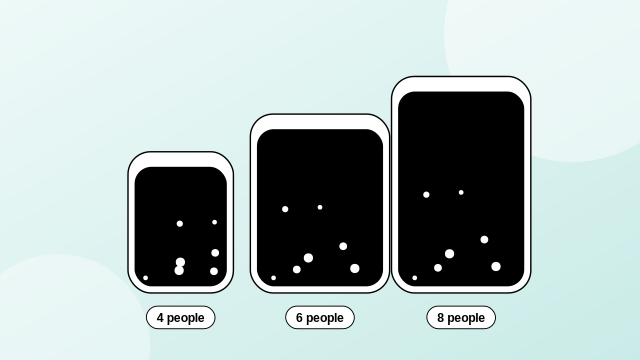 Choosing and buying
The size of a domestic wastewater treatment plant (WWTP) is given in population equivalents (PE, Slovak EO).
7 min read Choosing and buying
Two quotes for a domestic wastewater treatment plant (WWTP) can look the same on paper and still behave differently in operation.
7 min readTell us where you notice the smell and how long it has been going on, and we will arrange a WWTP service anywhere in Slovakia. +421 905 229 394
Strictly necessary cookies keep the website working. With your consent, we also use analytics and marketing cookies (Google, Meta, LinkedIn, Pinterest) to measure traffic and for advertising. You can change your consent at any time using the Cookie settings link in the footer. More about cookies